OCTOBER 2026-10 Volume 1, Number 10
Words and photos by Mike Evans
Current events, history, review, and notes
By review, we recognize six seasons in our horticultural year’s natural cycles.
Fall – October, November – rains commence, many garden tasks, fall flowers.
Winter – December, January – rain, short cool days, calming dormancy, winter flowers.
Spring – February, March, April – more rain, birds, butterflies, life abounds, abundant flowers.
Pre-Summer – May – farewell cool and moist, hello hot and dry, transition month.
Summer – June, July, August – judicious watering, long hot days, seeds, summer blooms.
Post-Summer – September – farewell hot and dry, hello cool and moist, transition month.
Wild weather. The nights (almost) feel like fall, and the days (for sure) feel like summer. The early October heat wave is brutal because it follows what seems like one continuous heat wave over the last 3 months. Whatever rains we are to get, they cannot come too soon, our natural soils are parched and our garden soils, though ideally moist through judicious summer irrigation, are still too warm and are growing tired of summer in general. Even the most optimistic group of people on earth, we the gardeners, are feeling a little beat. And who among you has not lost some dear plant friend(s) this summer? Raise your hand. Right. That’s what I thought. Shared sympathies.
Current events, history, review, and notes
CalNativeHort memberships have been available for one year, and we thank each and every one of our members. Please join us Saturday, November 14, 2026 from 10:30 to 2:00 in our new home at Tucker/ENC Wildlife Sanctuary for a special “Members Meet and Greet.” If you are not yet a CNHF member, please join now and plan on gathering with us at this special event. Invitation and details to follow to members under separate cover.
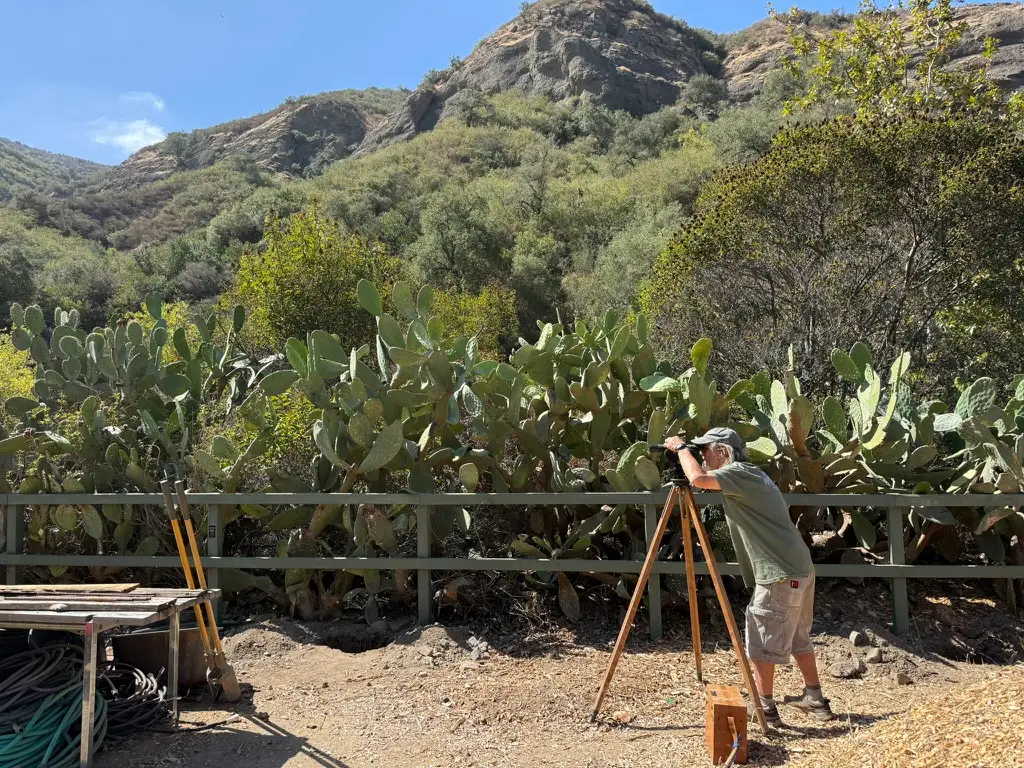
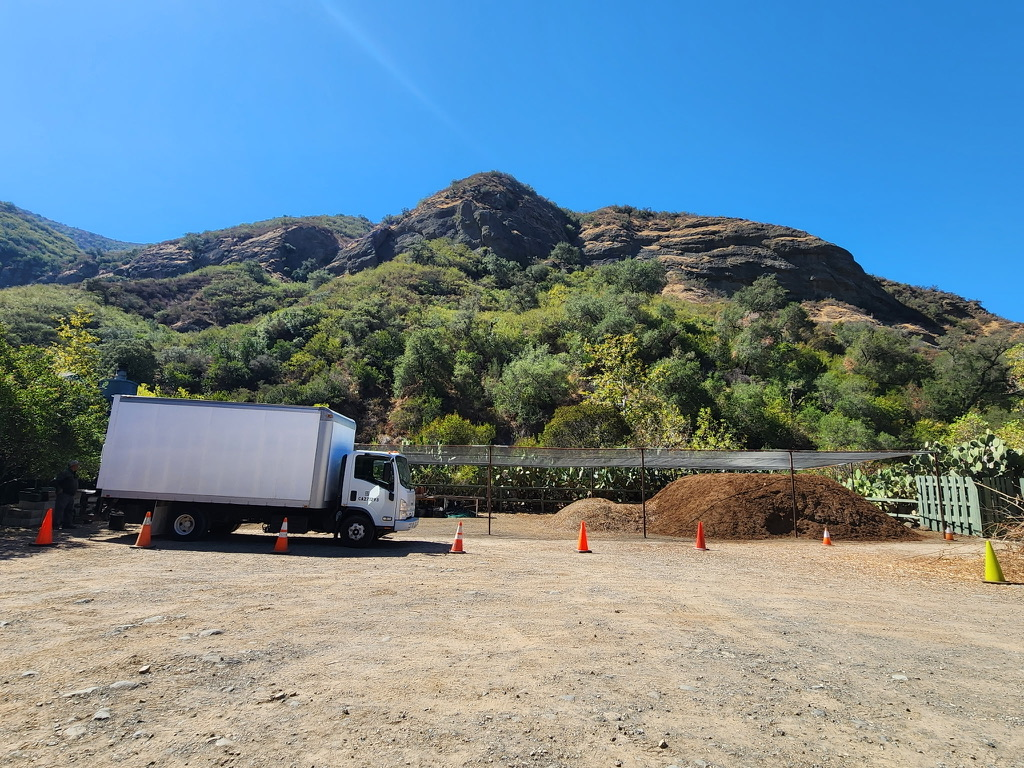
At our November 14 event you will see the makings of our first native nursery for training in propagation, production and sales. We depend on member involvement and donations for all our activities, so please come see the fruits of all our labor… we’re in this thing together. We will conduct open house tours of the office headquarters, museum, and nursery, and assemble in an outdoor amphitheater for three brief presentations. Our speakers will introduce their work and be on hand for book sales and signings. Each book is unique, beautifully written with great photography by each author. You will want to meet these people and add these books to your library.
Come meet and greet your fellow CNHF members plus our three noteworthy speakers:
Bob Allen – “Wildflowers of Orange County and the Santa Ana Mountains” (Allen & Roberts, 2013)
A thorough treatment of our local flora with notes on ecological relationships.
Krystle Hickman – “The ABC’s of California’s Native Bees” 2025.
A personal look at some of California’s more than 1600 native bee species.
Josh Jackson – “The Enduring Wild.” 2025
An invitation to take a hike, depicting our remote public who are beckoning you for a visit.
In the News
Regarding CNHF ongoing progress, please see our website and click on “Projects/Programs.” We’re excited that so much is happening as our young Foundation starts to take root and grow. All this activity is made possible through your memberships and donations. Thank you for your involvement, especially during our “seedling” stage.
Native horticulture this month
Typically this month, we would have dug out some of our warm clothing, to head out yonder for a hike, or to hang close to home for some garden work. Slight delay. Wait for the heat wave to pass over. Then watch the weather forecast and proceed cautiously.
Watering
It is not uncommon to perform the last of your Deep Soaks in October, in anticipation of the cool-season rains just around the corner. Try to time this irrigation to immediately precede a heat wave, rather than playing “catch up,” by trying to water dry soil during hot weather. When your soil is sufficiently moist at the onset of a heat wave, you rest easy, just performing your Refreshing Sprinkles in the evenings.
For a complete description of the DS + RS = Success (Deep Soak + Refreshing Sprinkles watering method) see this newsletter, Vol. 1 No 5, May, 2026.
Pruning, Weeding, Feeding, Mulching / Top Dress
All manner of garden tasks can be performed after the season change, summer to fall, typically starting anytime between September 15 and October 1. This year Autumn is on Hold, so we will follow the Environmental not the Gregorian calendar to schedule our Horticultural Work.
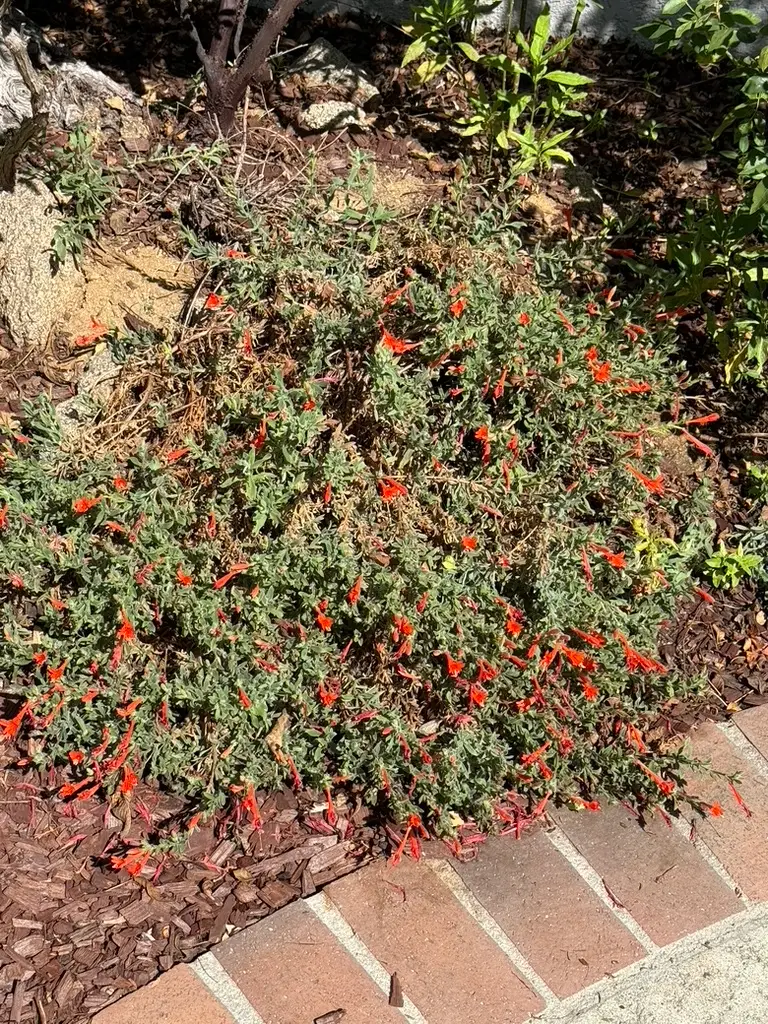
Troubleshooting – Varmints, Pests and Diseases
Root rot is a fungal disease that attacks many susceptible plants in soils where roots cannot “breathe.” Roots don’t actually breathe, but they do need ample oxygen. When soils are oversaturated, especially in the warm season, pathogenic microorganisms can take advantage. This summer, if you lost a ceanothus or a manzanita because the soil was dry, sorry, so did many of your friends… and if you lost one with the plant dying suddenly in wet soil, again you’re not alone, it was a horrible year for everyone, sorry again.
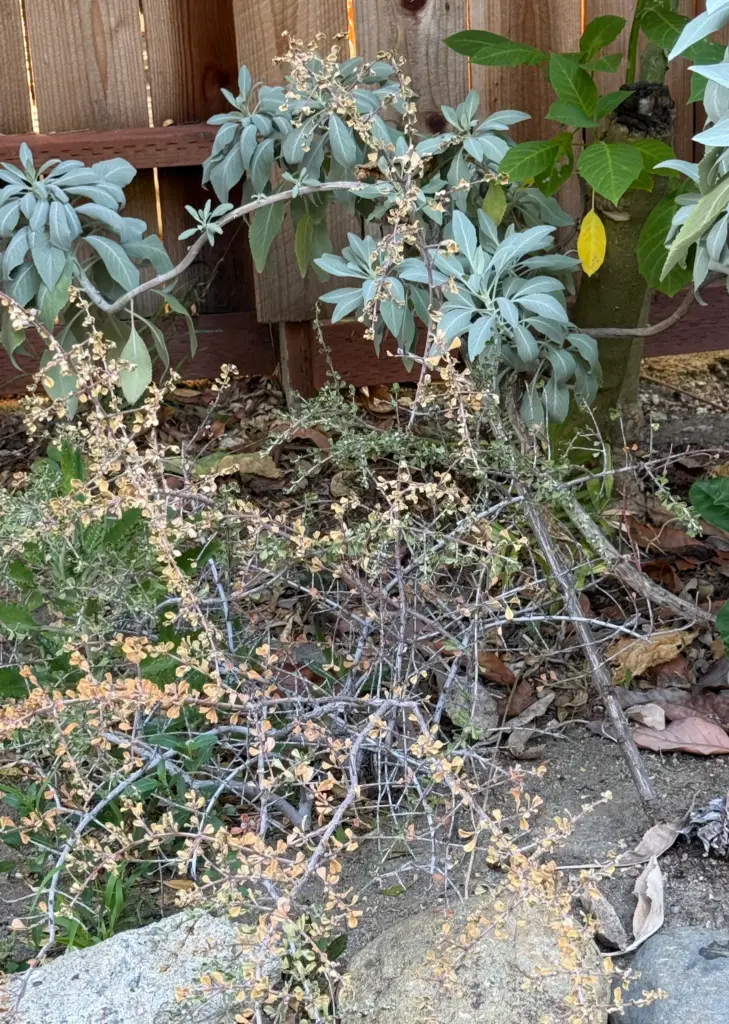
A dead “dry” plant and a dead “root rot” plant look almost the same. The plant without water is crispy. The plant without oxygen looks a little soggy before turning crispy. Both are brown, and not even a nice shade of brown.
But, during the rainy (cool) season (just around the corner, right?), soils can be saturated for days or weeks at a time, puddles everywhere, and native plants never show any signs of root rot. Why is that? In cool soils, disease organisms are not active.
This is why we use Deep Soaks in summer, to promote feeder roots to grow into cool moist soils, approx 18” deep, where root rot fungi are not present or active. This also explains root rot failure on native plants with shallow roots near the surface. When they receive frequent irrigations they seem to do OK… until the weather turns warm. Then the feeder roots succumb to root rot.
There are some diseases that attack through the leaves, and most are related to watering as well. This is why we never do Refreshing Sprinkles in the heat of day or the dark of night, choosing rather to time them for late afternoon. Spray your garden down so that the leaves absorb precious moisture through the leaves at the end of a hot day. Time your RS so that the leaves will be dry before nightfall.
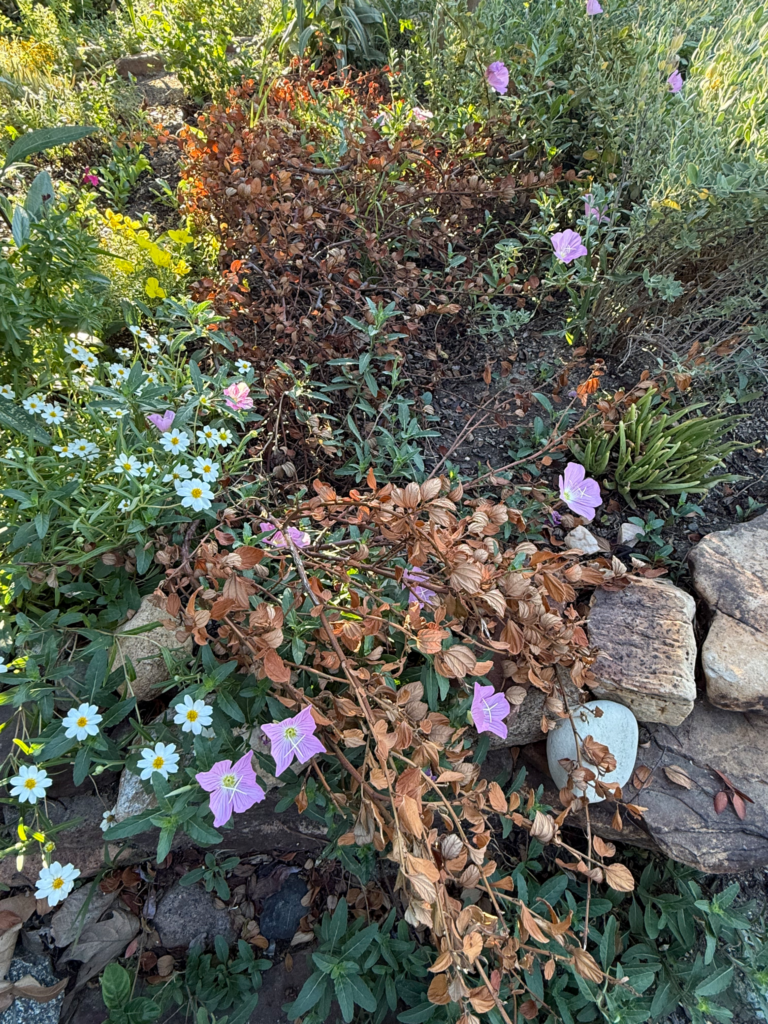
Here’s a simple comparison: If you plant a ceanothus in your shallow-rooted lawn, and you water the lawn properly with frequent light irrigations (3 per week), your ceanothus will succumb to root rot in the summer, as its roots will be growing in shallow, warm, saturated soil. Conversely, if you plant lawn around your deep-rooted ceanothus, and you water the ceanothus properly with heavy infrequent irrigations (3 per year), your lawn will succumb to desiccation as its shallow roots will be in trying to survive in a zone that is allowed to dry completely between waterings. Make sense? Treat natives different from every other garden plant when it comes to summer watering. They simply need less, and in some cases no irrigation.
Adding plants and seed
October is the text book month for planting natives. Soils are still warm enough to provide root growth before the winter rains. You simply plant, water a couple times, and then let the rains take over. By spring, the plant is well established. This year, we must wait until the heat waves finish to prove this.
My Patio Re-wild (small space)
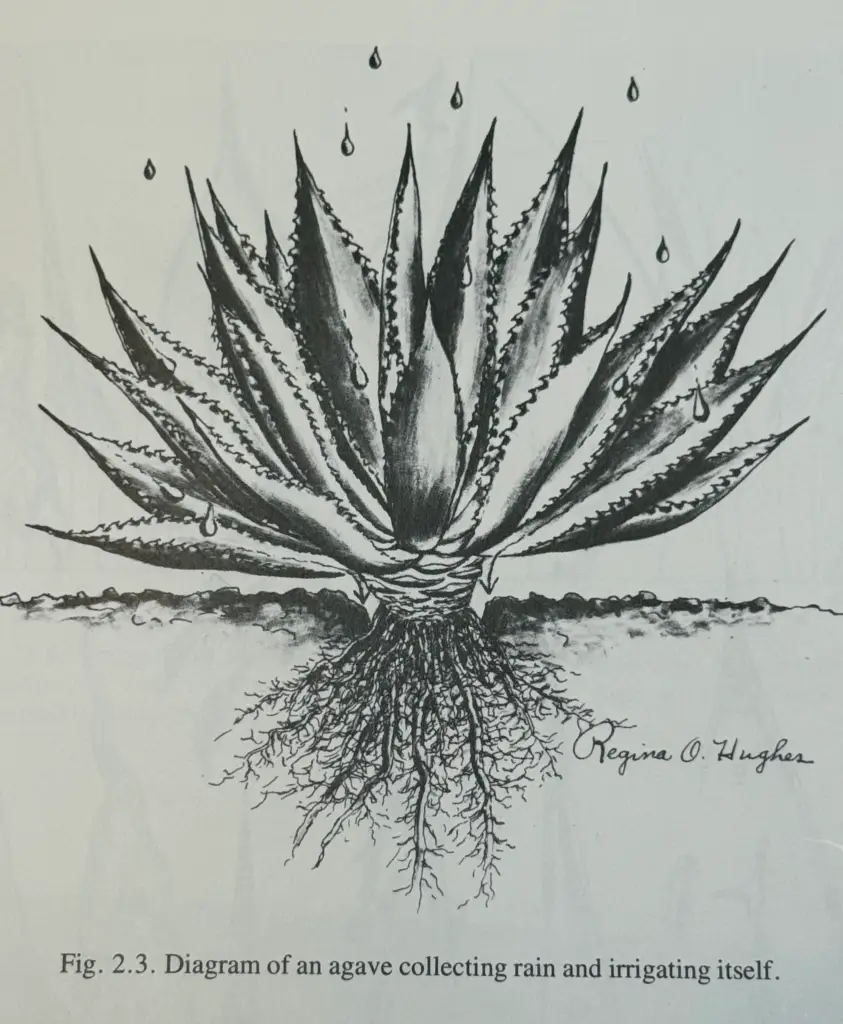
Desert plants are gaining in appeal to many folks these days, and they sure do well in containers, especially cactus and succulents like agave. You can have a lot of fun with interesting pottery, dessert species, cool rocks, sticks and top dress. And they are easy to take care of, the idiosyncrasies of summer watering being a non-issue.
Phytophilia
Our love for plants and their reciprocal response. The conversation.
This month the dialog revolves around “Really, still?”
Both garden plants and plant gardeners have had about enough of the heat and we are getting together to talk about it. Nice to have someone to bounce all our woes off of. Problem is, the plants are bouncing their own woes right on us. At least we have a mutual understanding.
Re-wild Principles
Artful pruning, thinning, removing a few plants, adding a few, even bringing in meaningful rocks and mulch are activities we should be talking about right now. Instead we are still hunkered down trying to keep the soil moist without excluding oxygen, and wondering when it will rain. Next month we can get to work, the heat waves have to break at some point. At least the nights are longer and eventually will be much cooler, we hope.
Important Review
November 14, 2026 – Members Meet and Greet
CalNativeHort.org “Projects and Programs” menu
Summer water in fall
Desiccation and Root Rot Blues
October moves to November for planting
Desert plants in pots
Natural gardening tasks when it’s cooler
Engage
We connect with our plants and our lives become somewhat interdependent. “Reciprocity” is the word botanist and author, Robin Wall Kimmerer landed on to teach us a profound principle in her wonderful book, “Braiding Sweetgrass.” Through science, tradition and story telling, she reveals that “reciprocity is a moral and ecological covenant where receiving a gift from the living earth creates a binding responsibility to give something back in return.”
I believe that in our natural gardens, we maintain an attitude and perform acts of reciprocity at every turn. It is the best definition of our covenant relationship to the small patch of ground or the few patio pots we tend.
In every close connection, whether between two persons, a boy and his dog, or a girl and her manzanita, we celebrate life with an indescribable joy, and when the covenant is severed by the death of one partner, the survivor mourns. This is especially true in the marriage relationship at the death of a spouse (the most traumatic loss in the human experience), and only a fellow dog lover can begin to comprehend the level of pain in burying a four-footed friend. So here we must also acknowledge the sorrow we feel when we lose a much beloved garden plant. This summer I survived the loss of a few incredible specimens; shrubs taken by disease and drought during extreme weather events, and it still hurts.
Is this reciprocity? Yes. And it goes both ways. I have also witnessed an entire garden, one large, established, and extravagant, go into months of mourning at the death of its creator/keeper. The garden recovered from its sorrow, but was never quite the same, even when new people came in to tend it. It takes time to establish new relationships, to bind a new covenant similar to, and at the same time distinct from the first.
In our culture, we have no ceremony to corporately mourn the loss of our pets or our plants, no funerals, celebrations of life, eulogies or memorials, so we endure that sting alone. That’s OK I guess. No one loved that dog or that plant the same as we did. So no one but us can start the healing and bring back the joy.
I suppose I could write and recite all the attributes (a *eulogy) of my noble deceased ceanothus, so the whole world could know what a great plant it was. Maybe I should, and probably only a few fellow plant tenders would care to listen, but at least we would be together, acknowledging the hurt. And we would encourage each other to get on with the healing.
Gardeners are among the most optimistic and hopeful beings on the planet. Go plant some new plants this Fall.
From October CalNativeHort CONNECT,
Mike Evans
*Eulogy = from Latin: Eu, meaning good, well; and Logy, meaning the study of.
Eulogy = The study of what is (was) good.
P.S. I don’t like posting pictures of dead plants. I hope the information is helpful.
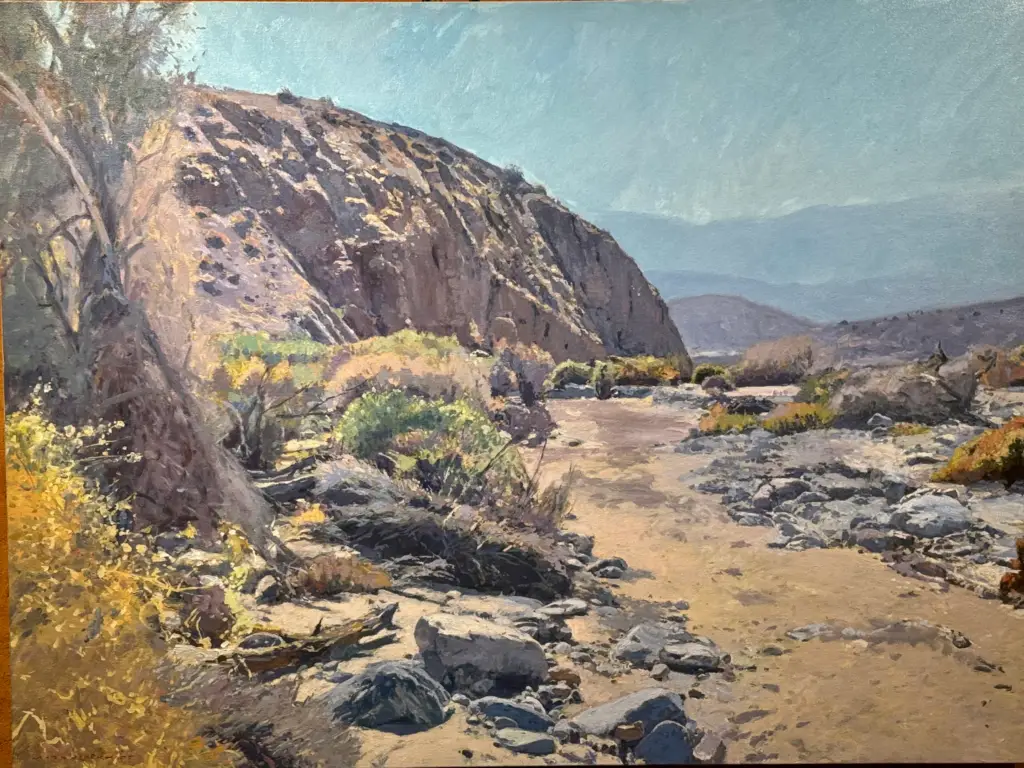
P.P.S. Frontispiece. “Near the Camino de Anza” by Mark Kerckhoff. 30” x 40” Oil on Canvas.
Questions? Help is just one call or one email away. connect@calnativehort.org