
Words and photos by Mike Evans
From the newsletter sent November 6, 2026.
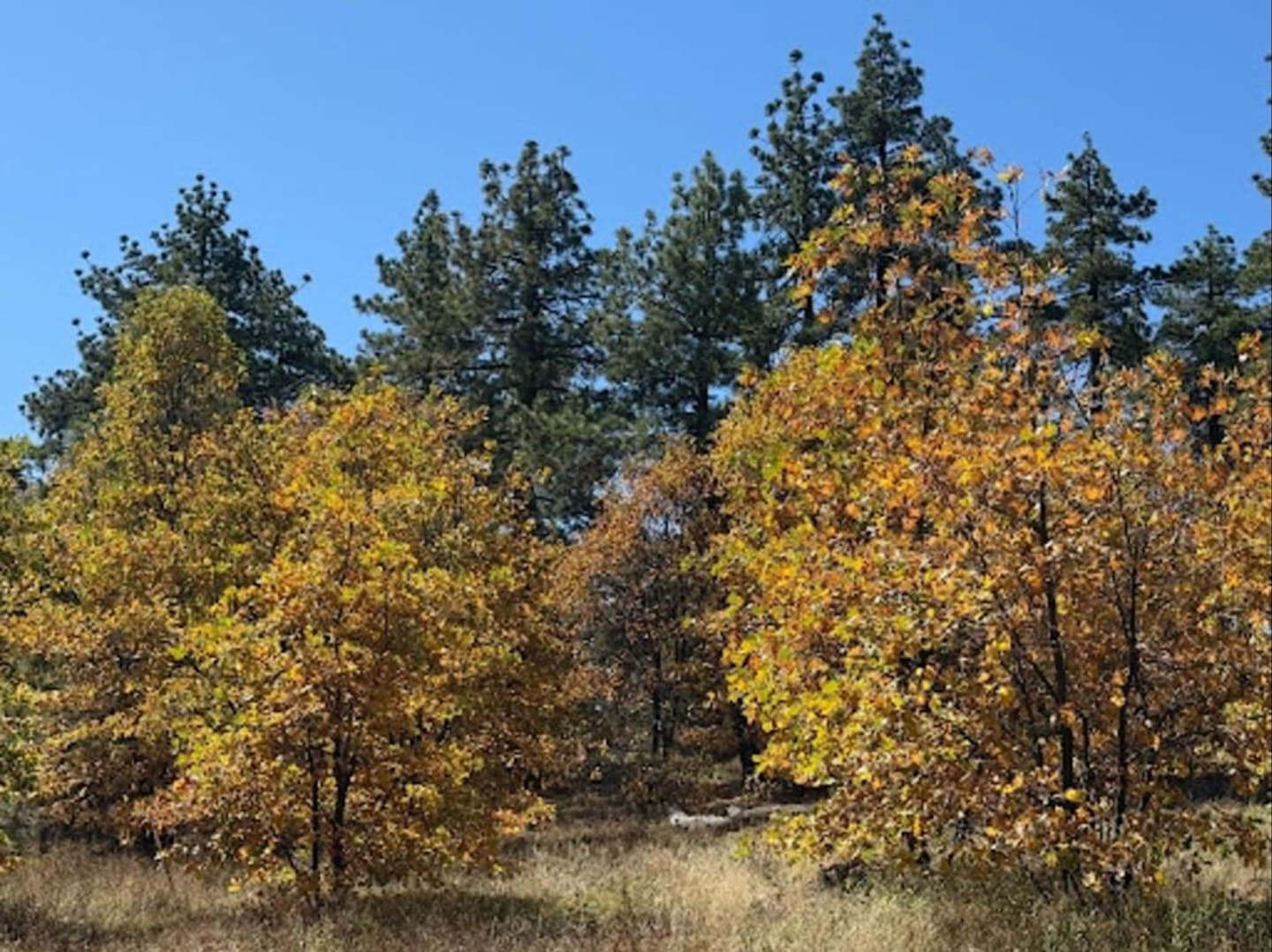
At last! It actually feels like fall, with some nice early rains thrown in as a bonus! Though summer usually brings a somewhat carefree feeling to some of us, the long days and warm nights inviting activity, the 2026 summer we just came through was just plain brutal. Several heatwaves connected in a chain to basically form one long heat wave that was a torment for gardeners. We trusted October to usher in cooler weather, but October proved untrustworthy. Hot and dry, with strong winds in some areas that fanned serious fires.
One more thing about Summer 2026… seemingly nonstop south swells bringing the best surf in a lifetime to southern California beaches, complete with warm water and extreme tides that literally washed away many of our beaches. And we’re told by forecasters that the winter could be extraordinarily wet. Wild times!
Current events, history, review, and notes
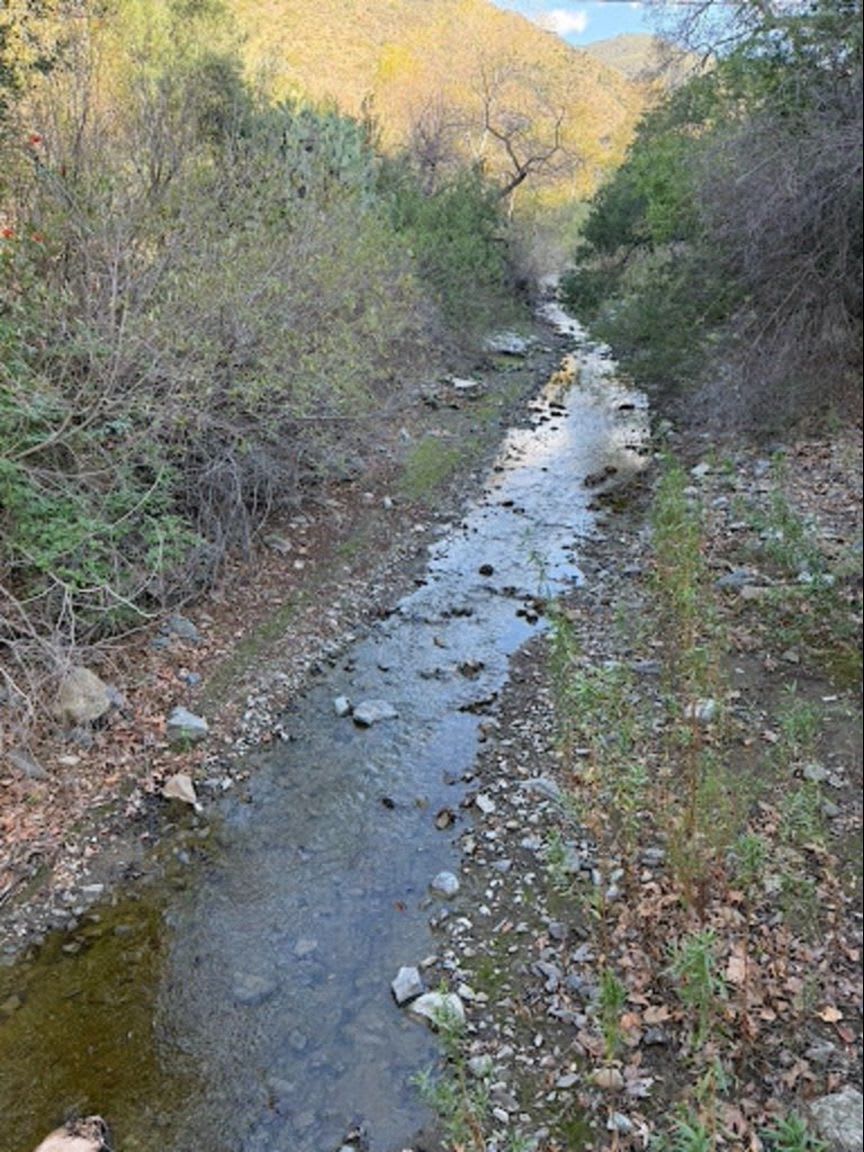
Almost like flipping a switch we went from severe summer conditions to a few days of decent rain, with a follow up storm around Halloween. Around .80 at our new headquarters in Modjeska Canyon, bringing the total to around 6” since July 1, 2026. (Rainfall is officially measured July 1 through June 30.) Santiago Creek which runs through ENC/Tucker Wildlife Sanctuary has a nice flow already! We love rain, and we love wet years, but have you seen the images from Arizona’s monsoon flooding on November 1-3? Oh my! Even the old folks over there are saying they’ve never seen anything quite like it. Dramatic water in the desert and unfortunately severe damage and property loss as well.
In the News
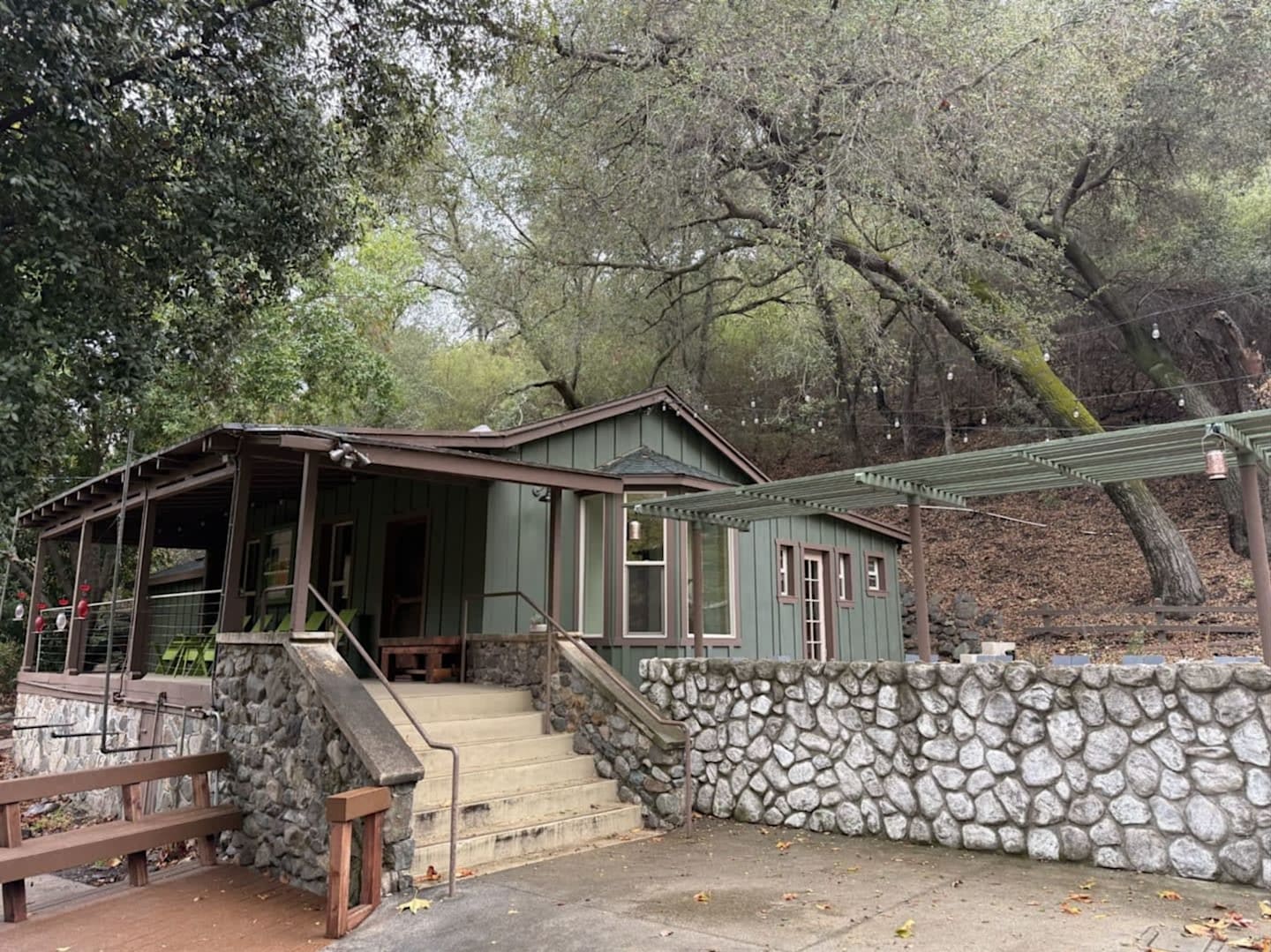
CalNativeHort is planning our first Members Mixer for Saturday, November 14, 2026 at our new home at ENC/Tucker in Modjeska Canyon. Thank you to everyone who has sent their RSVP. If you are a member and you live too far away, please know that we really appreciate your support and since you will miss the event, we’ll make it up to you somehow. If you have not yet joined, please do so now, at any level, and start receiving our monthly Membership Memo from Executive Director, Michelle Matthews. And oh yeah, speaking of weather… for our first membership event ever… rain cancels, so keep in touch.
Native horticulture this month
Let it rain. Instant cleansing of body, mind, soul, and spirit, leaves, branches, paths and planter beds. This will make all our garden activities a delight.
Watering
Our first rains were generous and gentle. You can dig a little inspection hole in the root zone of your garden plants. If it is still dry 6” deep, watch the weather forecasts and be prepared to water if we go into hot weather or Santa Ana wind conditions. If it is moist 6” deep, the rains are positioned to take over all watering for the season. Always watch the forecasts. If rains are regular, you will not be watering your natural garden again until around May 2027.
Pruning, Weeding, Feeding, Mulching / Top Dress
We had to hold off on all these activities (except weeding) during the hot weather.
Pruning – Shrubs and trees can be thinned, headed back and shaped according to your artful desires.
Feeding – You can work a granular all-purpose organic fertilizer into the top 1” of your soil and let the next rain soak it into the root zone. This will provide nutrients for your plants and promote a suite of beneficial microorganisms to help literally everything.
Mulching / Top Dress – Done right, you keep a healthy garden, but beware! Done wrong it can cause harm.
By definition, top dress is the thin layer of organic or mineral material that covers the soil surface, providing moisture retention, weed suppression and in some cases light levels of plant nutrients. In nature, leaves fall from mother plants, whether from seasonally deciduous plants or evergreens that shed leaves continuously, i.e., evergreen oaks, pines, and chaparral shrubs that drop old leaves while replacing them with new. The fallen leaves, forest duff or “leaf litter,” (gotta love that title) constitute a perfect organic mulch, which cannot be replicated by any imported material from bulk or bag.
However, small plants in new gardens do not produce their own mulch. By comparison, small plants in nature enjoy a nurturing environment afforded by shade, leaf mulch, companion plants, and a network of beneficial fungi called mycorrhizae. These are among the benefits found in any stable multigenerational vegetation type. And these are the benefits that we must replicate the best we can, in every new planting we make. Safe sites.
Let’s talk about the mulch you might apply because the plants in your garden are too new to make their own. The goal is to cool the soil beneath the plants with a thin layer of organic material, at least until the plants grow branches that shade their own root zones, and start dropping a few leaves to provide their own benefits as described above.
Two types to choose from: organic and mineral.
Organic mulch: This is the appropriate season to add organic mulch to your soil surface. Avoid anything that has a foul smell. Avoid artificial colors and paints. Avoid “compost” which is better suited as a planting amendment than a top dress. And take careful note of the composition examining size and shape of the ingredients and avoid anything that contains all of these: chunks, strings, flakes and dust. Ideally apply an organic top dress that is “chunky,” like 1/2 – 5/8” walk-on bark. “Flakes” like sawdust are OK. “Strings” like the so-called gorilla hair are ok, but not my favorite. Avoid “dust.” The combination of all four makes a mulch that will eventually settle into itself and form an impenetrable mat, that when dry will repel water and when wet will stay too soggy. Try to replicate nature’s way. You will need to apply a granular organic fertilizer as well, to aid in the decomposition of the organic mulch.
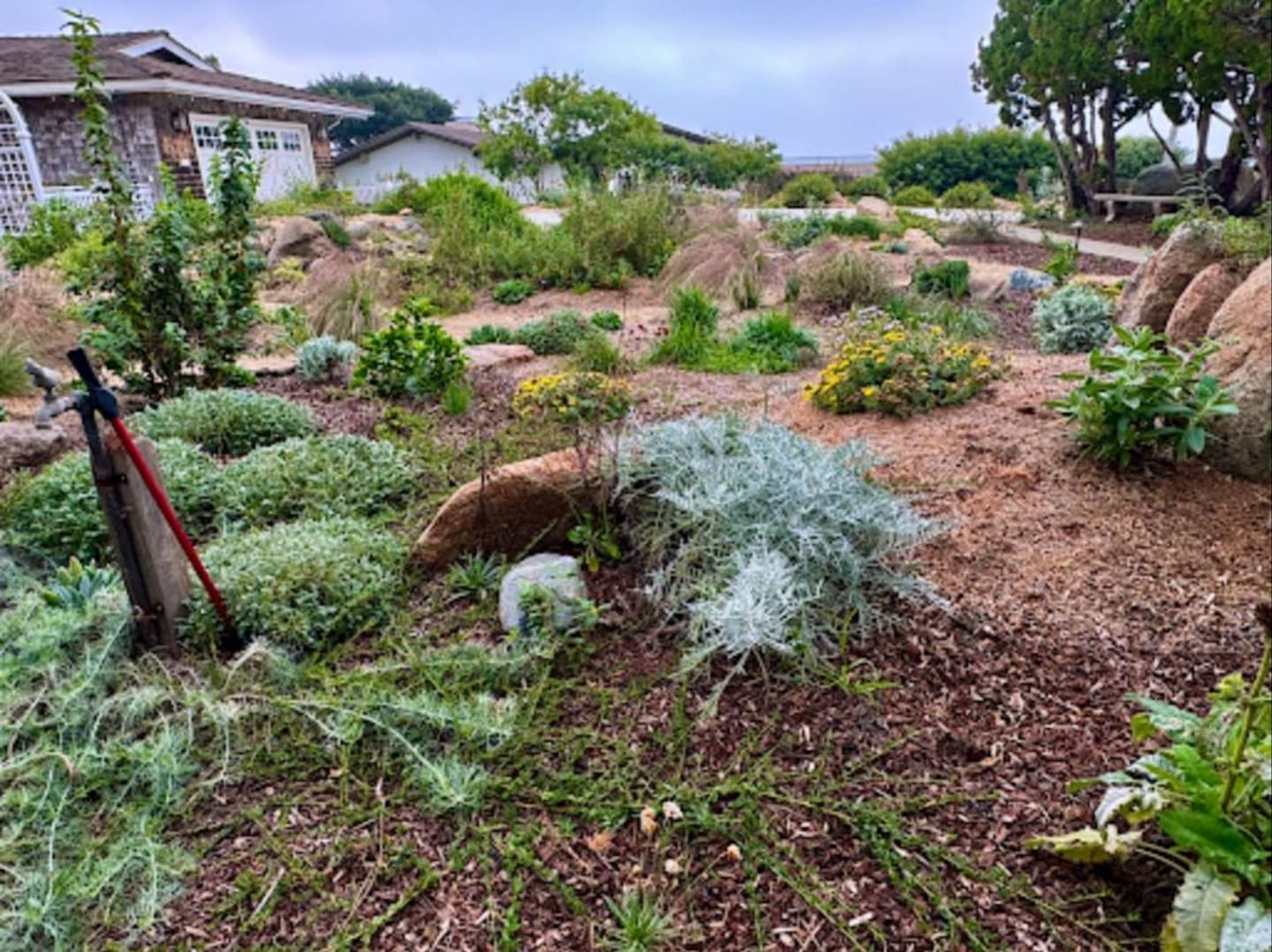
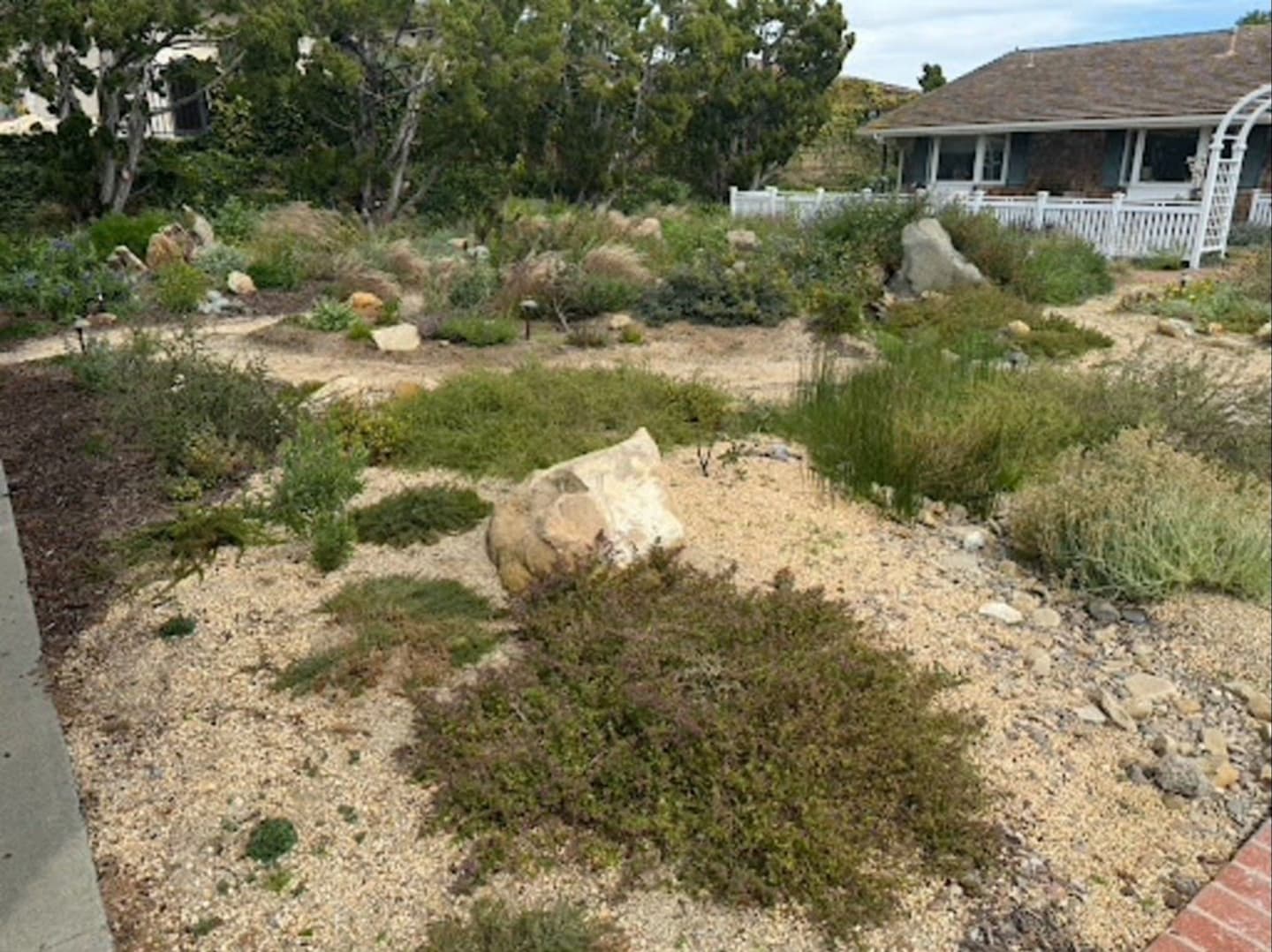
Mineral mulch: This is a great time to add or refresh a thin layer (1 – 2” ) of decomposed granite, mineral aggregate or pebbles. Many natural gardens, especially those depicting a chaparral or desert feeling look great and grow well with a mineral rather than an organic mulch.
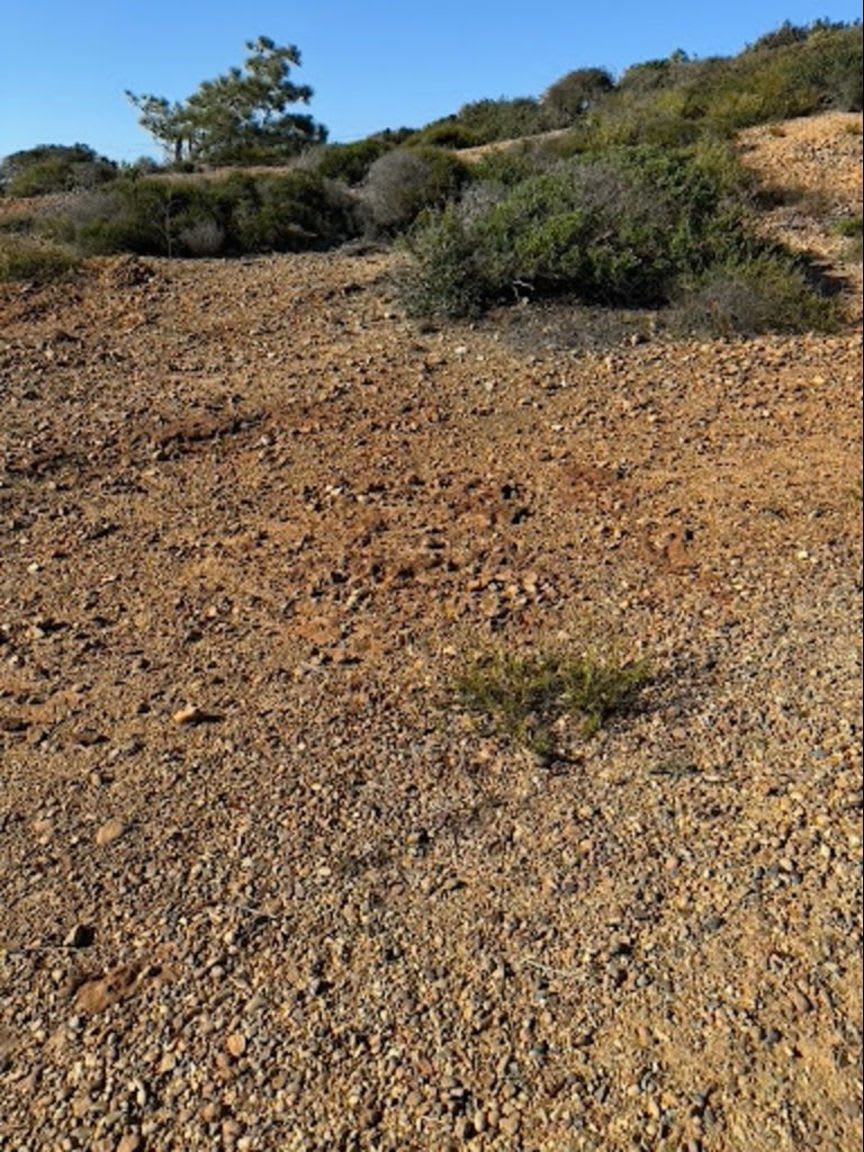
Be sure to consider using both. Don’t blend them in the same spot, but apply organic and mineral mulches separately in different sections of your garden so they will help tell different stories.
Troubleshooting – Varmints, Pests and Diseases
As soils cool, fungal root rot problems should subside (see October CONNECT). Scale insects (see June CONNECT) can still be a problem, especially if Argentine ants are present to tend them.
Adding plants and seed
November marks the beginning of the best season to add plants and sow seed. Enjoy.
My Patio Re-wild (small space)
Let’s talk about keeping plants small so they fit into our small space. I’ll go on record as saying that most of the “pruning” you see in most public places, HOA spaces, and in many home gardens tended by folks in the “green industry” is not pruning at all, but rather mutilation.
Pruning is done by a human to a plant with the sole objective to improve the plant’s appearance and overall health. It is an act of nurture. Noisy machines won’t cut it, no pun intended.
So I will also go on record as saying that plants greatly appreciate the careful attention we give them with our clean, sharp pruners in hand, and our eye on their future. Thin, shape, head-back, pinch, tip-prune, hedge, and cut to your heart’s desire this month, but you have to approach with a purpose and with some knowledge regarding each plant species’ growth habit, flowering season, life span and ideal size and shape. Then, if it can be kept healthy in miniature, you can relate to it on a regular basis during the pruning season, which is now.
By the way, we horticulturists (plant nerds) who wear pruning shears on our belts every waking hour, can literally hear plants calling out for our attention.
Phytophilia
Our love for plants and their reciprocal response. The conversation.
This month the dialog revolves around “Let’s do this together.”
After several months of a “sorry, hands-off hot-weather” relationship with my garden, watering being the only meaningful activity, both the garden and I are anxious to start a new connection.
Re-wild Principles
You need a little of the Wild in you in order to do good Re-wild out there. However it works for you, we all need to open the door and let a little Wild in… hike, camp, read, journal, draw, paint, photograph, meditate, breathe, walk, pray, birdwatch, nap, picnic, play (nature play), sing, dance, study, use a compass, build a campfire, sharpen a knife, pick up a rock, make a map, write a poem, talk with a friend… in nature, about nature, because of nature. Then when you get back to being occupied in the natural garden (so much to do in November), you will be coming from a place with deep roots, connecting Wild to Re-wild.
Important Review
- Early rains
- Membership Mixer
- Mulch matters
- Pest-free time
- Planting time
- Patio pruning time
- Hands-on time
- Time to invite Wild to come in
Engage
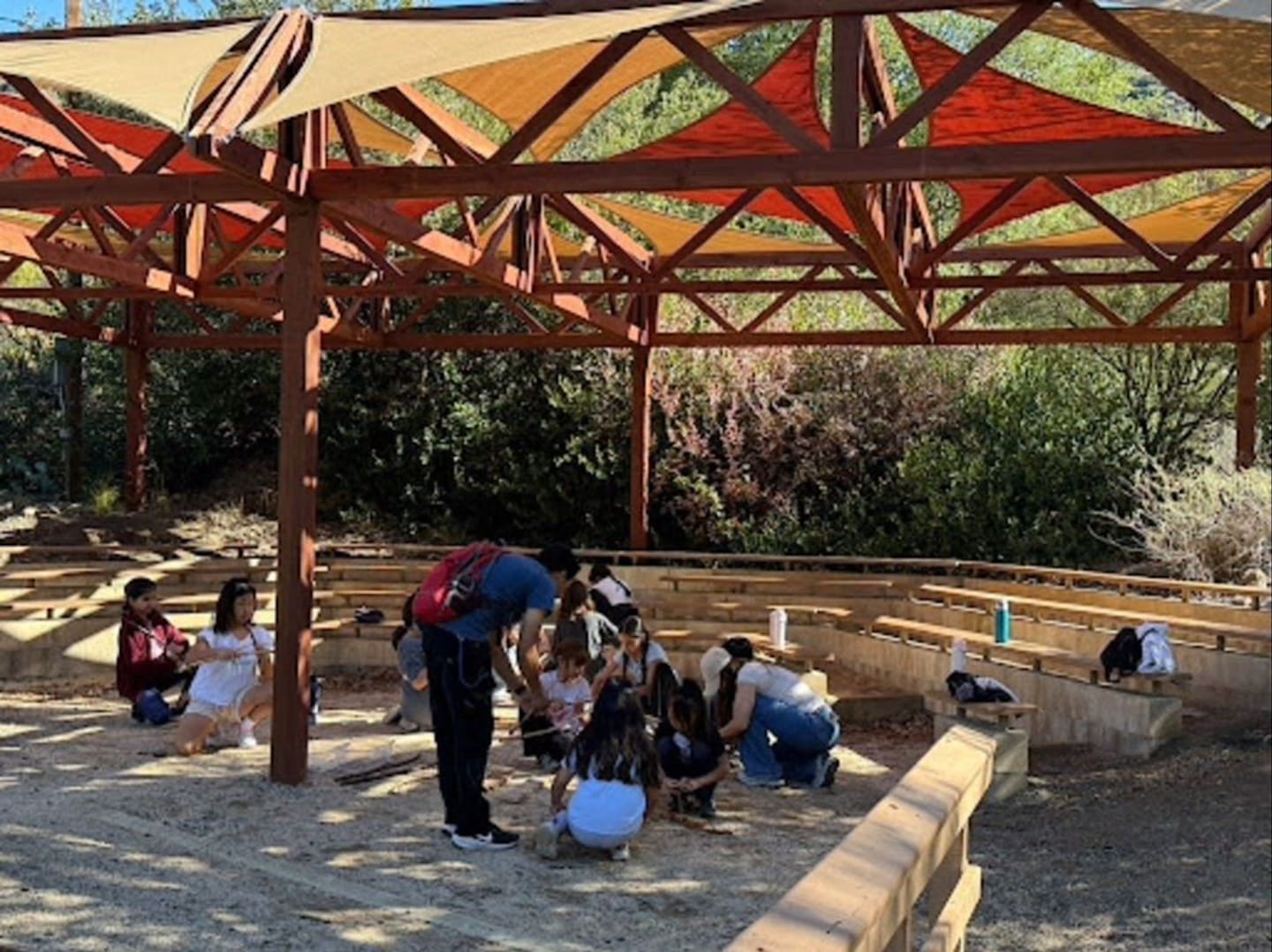
Natural gardens tell stories about nature. At ENC/Tucker the curriculum centers on environmental education for kids who visit on half-day school field trips. The trained and dedicated naturalists working here have about 4 hours to get young students fully engaged, hopefully providing a transformative experience the students will always remember, and sharing a “lesson” they should never forget – Don’t lose your curiosity.
Our classroom is a nature center, and our gardens are the textbook, where the various chapters on ecology and natural history are revealed at every new turn in the trail.
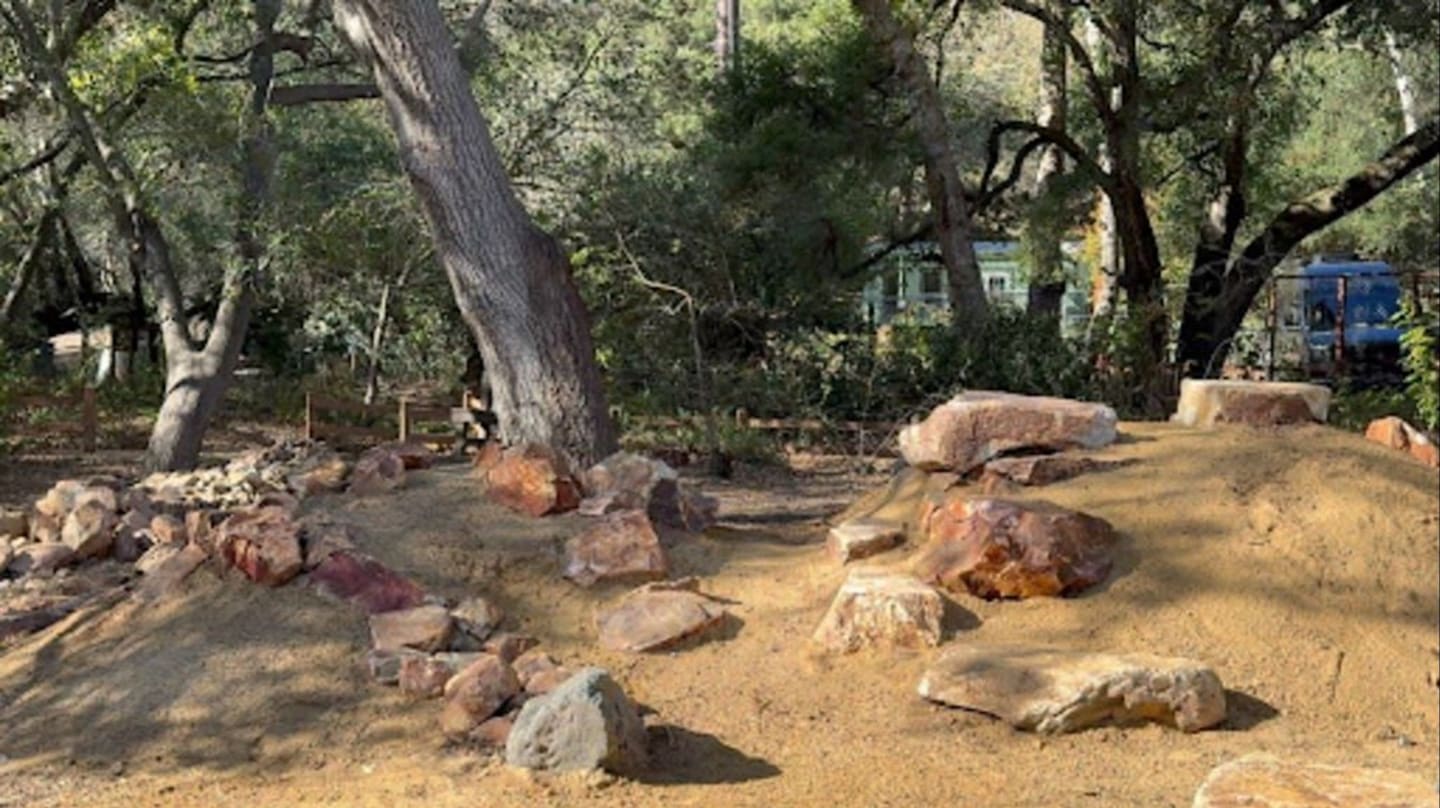
Recently a huge olive tree fell down. While it had interesting historical and cultural significance, the olive was an exotic tree species whose story was irrelevant to the nature narrative at Tucker. After clearing the area of all the fallen branches, the sky opened onto a large area that had previously been subjected to deep dark shade. We recognized that as our invitation to build Sunny Mountain.
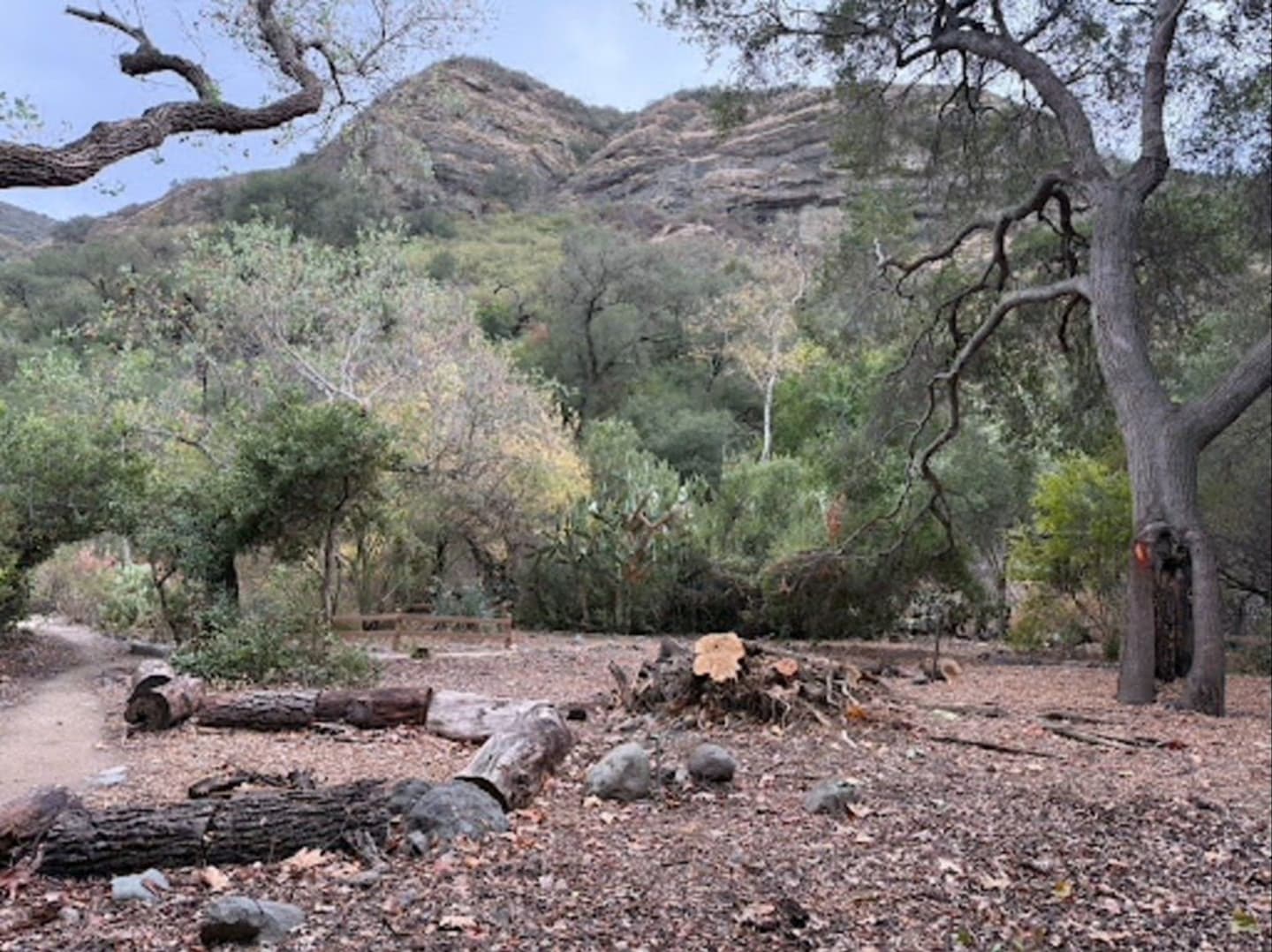
CNHF partners with ENC at Tucker. CNHF focuses on building and taking care of the “classroom” so ENC can continue their award-winning nature programming for students of all ages.
Watch our progress on Sunny Mountain. A big part of the story is yet to come – the unique plants that grow on exposed mountain peaks in southern California.
From November CalNativeHort CONNECT,
Mike Evans
Questions? Help is just one call or one email away. connect@calnativehort.org