
JUNE 2026-06 Volume 1, Number 6
Words and photos by Mike Evans
Sorry about May’s newsletter going out one month late. I could offer a long explanation, but all that really matters is an apology. And a remark: Better late than never… true most of the time, I guess.
Current events, history, review, and notes
Here are the six seasons in our horticultural year’s natural cycles.
Fall – October, November – rains commence, many garden tasks, fall flowers.
Winter – December, January – rain, short cool days, calming dormancy, winter flowers.
Spring – February, March, April – more rain, birds, butterflies, life abounds, abundant flowers.
Pre-Summer – May – farewell cool and moist, hello hot and dry, transition month.
Summer – June, July, August – judicious watering, long hot days, seeds, summer blooms.
Post-Summer – September – farewell hot and dry, hello cool and moist, transition month.
As you can see above, we are heading full speed into “Summer.”
Are you and your garden ready?
In the News
A quick look at social media and recent visits with friends are telling me that a grassroots movement is underway, focused on natural landscape design, native plant nurseries, school nature gardens, and people desiring to live closer to the earth through plants. This comes at a good time. As we define horticulture as the art, craft, and practice of putting our hands and hearts on plants and seeds, let’s agree that this movement is a healthy thing. Unfortunately, good horticulture has been on the decline for many years. But native horticulture, and those who want to do it right, is apparently alive and well, attracting a body of enthusiastic apprentices, practitioners, and experts, who stand ready to make nature accessible to everyone everywhere. This ethic for nature’s aesthetic beauty and healing experience defines our CNHF mission.
Native horticulture this month
Watering
Before the weather turns hot, and the days are really long, do your first Deep Soak. And start with Refreshing Sprinkles a few evenings a week. See the May newsletter for details. Repeat the Deep Soak in approximately one month, and try to choose a three-day period when we are not in a heat wave. Watch the forecasts, and always water before a hot spell hits. Your plants will thank you as they go into a period of higher water use, well assured that the soil in their root zone is cool and moist. Refreshing Sprinkles are super important and a lot of fun.
Pruning, Weeding, Feeding, Mulching / Top Dress
By performing a few key garden chores this month, you can take the rest of the summer off. You might want to water now and again in July/August. You’ll have plenty of time to just sit and watch the shifts of pollinators and songbirds come and go throughout the day. And of course those Refreshing Sprinkles give you consistent a connection to your garden
Pruning – Head plants back, artfully make your trails and paths clear, deadhead ceanothus, encelia, and salvia, clean up annual flowers going to seed (collect and/or distribute the seed), and trim soft branched sub-shrubs as needed. No major pruning on woody shrubs or trees.,
Weeding – Don’t let those winter/spring weeds go to seed! Get the warm season weeds out now while they are small.
Feeding – Usually we do not feed natives this late in the season. Give them a chance to weather the summer and get themselves ready for fall growth.
Mulching – A better term is top-dress. We’ll go into detail in October. For now, just let the plants do it themselves. As a few fallen leaves accumulate in the shade of a plant’s branches, leave them in place as a natural top-dress.
Troubleshooting – Varmints, Pests and Diseases
Watch for injurious plant pests like aphid, scale, mealybug, leafhopper. A conspicuous and telltale sign of their presence might be Argentine ants climbing around on the branches and stem of your plants. They have no business up there; they are not feeding on your plants, nor are they obtaining nesting materials. They live in the ground and are notorious for occasionally invading your kitchen or quickly spoiling a picnic. If they are crawling around on your plants, they are likely tending their herds of insects who are feeding on stems and leaves with their sucking mouthparts, and excreting a sweet substance called honeydew. That’s what the ants are after. If the ants are likened to cowboys then the aphids are the cows, and a cowboy’s job is to move the herd around to greener pastures and to protect it from predators.
Honeydew is invisible, clear and sticky, but when it starts to age on any surface, such as on plant leaves, concrete, patio furniture, or anywhere it might drop, it supports the growth of a fungus called sooty mold, bothersome and unsightly. Here’s the take home: You might not spot the tiny insects feeding on your plants until you actually trace the problem from the sighting of ants, honey dew or sooty mold.
In our mild climate, the bad guys don’t suffer and die in winter, so populations can quickly get out of hand, especially with scale and mealybug. Aphids and leafhoppers prefer new growth and tender leaves, so you might find them now, as the days are nice and long and there is plenty of spring growth still available.
Control measures:
Control Argentine ants:
Move to a different continent. Take up residence where they are not present. Good luck on this, they’re almost everywhere humans are. So if you don’t want to move to Antarctica, or some pristine, remote, beautiful, natural, unadulterated, (so-far) pure desert or forest (probably not practical just now) then stay put and occasionally knock their populations back, and know that your neighbors are probably not doing their part in this, so the ants are here to stay, will eventually return, short of (maybe) an atom bomb, which they would probably survive. Though you might get great satisfaction out of dousing them with an insecticide like Raid or its equivalent, and watching their sorry little bodies instantly curl up and die, this method of genocidal execution does virtually no harm to the colony; you will have merely eliminated a few expendable soldiers.
If you find the colony and you are very patient, you might be able to knock it down or kill it by flooding the underground nest with a hose. Ants will scurry about, trying to rescue their eggs and their young to high ground, and if you keep the flood a-coming, you will win. When no more ants emerge from the nest, and everything everywhere is totally soaked with many ants floating lifeless on the surface, you will have eliminated one of probably several colonies in the area. And they’ll be back. They are not good swimmers, and lacking lungs, they can’t hold their breath. At least you won a single battle, but not the war. And the soil may be saturated at that spot too.
If you find their trails, especially their major freeways, you can apply little dabs of a gel containing a growth regulator. One such product is called Combat. You will get no immediate satisfaction from this, but as opposed to insecticide, this treatment actually works. Immediately you will see the little fellas gather around each dab of gel like cowboys in a cantina. Nice going, you just gave them a drink. But since they are all about each other, and loyal to their queen, they take a drink home with them, deep into their nest, offering it up to her majesty. She drinks heartily and is thereby made sterile. The colony collapses and you have definitely won another battle… and this victory will last a little longer.
Control Hemiptera, the insect order including aphids, leafhopper, mealybugs, and scale, (some of these used to be called Homoptera):
Ladybug larvae, lacewings and other beneficial insects eat aphids. Aphids can also be blasted off with a strong stream of water, if you are able to reach them and cup your hand behind the branch you are blasting. Insecticidal soap and Neem oil will kill aphids as well. Leafhoppers are mobile and will need to ingest an insecticidal soap or oil. Mealybug and scale are protected by their exterior anatomy (like a wooly coat or a shell) and will need to be smothered by a horticultural oil, or sometimes a soap will work for this. If mealybug infestation is localized and minimal, you can dab them with alcohol on a Que-tip or clean them off with a soft rag. You can always find good information at ucanr.edu
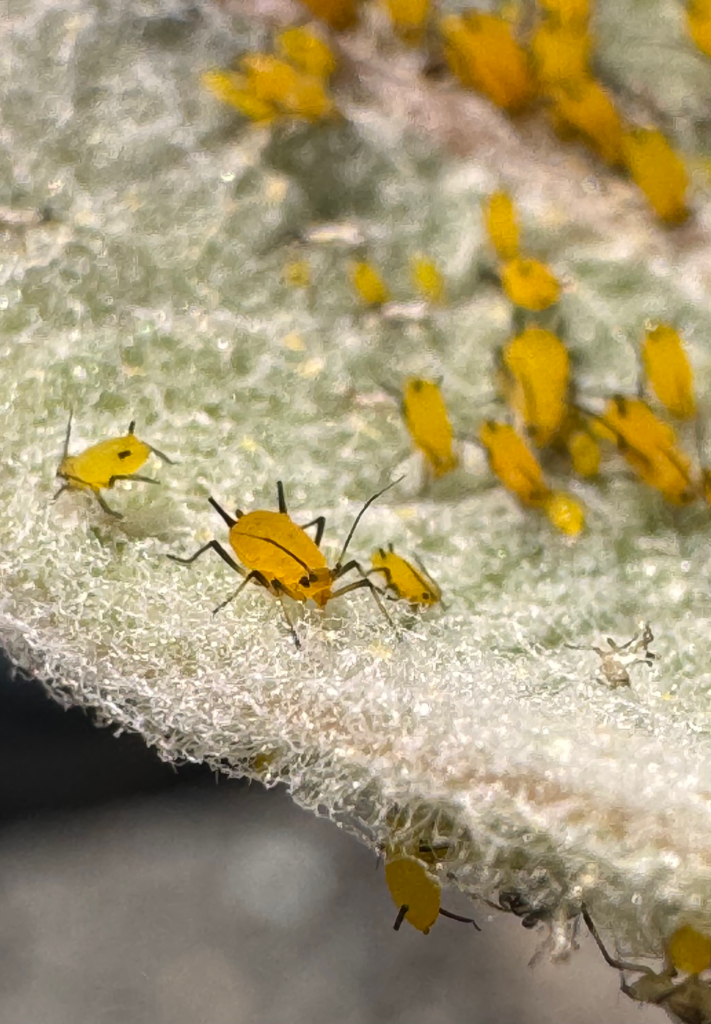
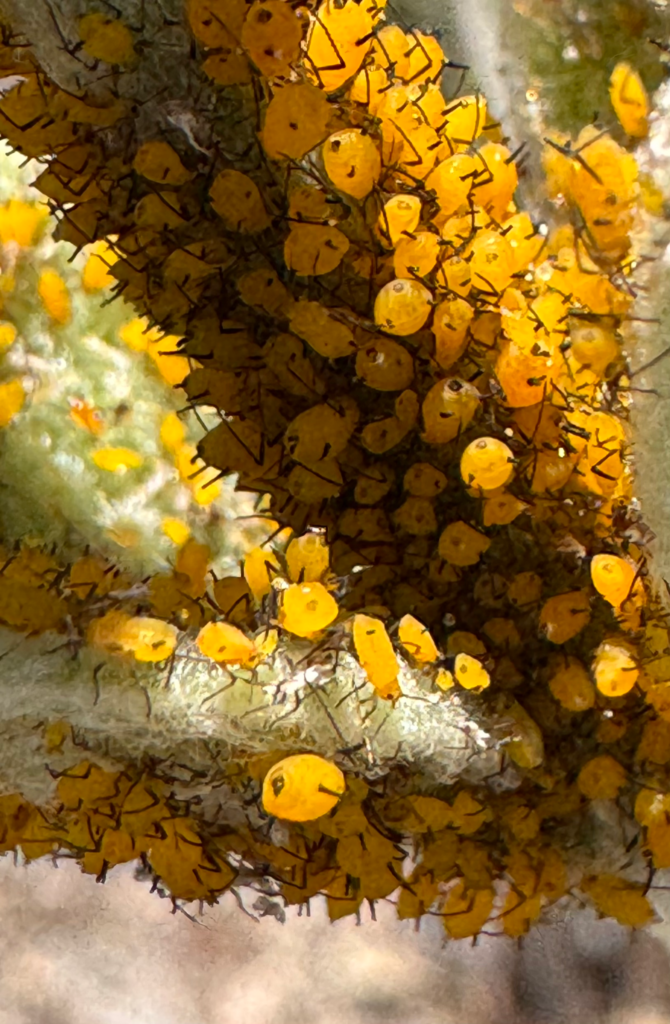
If you see bright orange colored aphids on milkweed, fear not! This is a distinct species, oleander aphid, which thrives on plants containing toxic alkaloids like milkweed and oleander. If the infestation is light, your beneficials (i.e., ladybugs) will handle it. If the infestation is heavy enough to affect the growth of the plant, you can blast the aphids off with a strong spray of water and continue to fear not.
Regarding chemical pesticides:
Let’s keep them out altogether and grow organic gardens. Especially avoid neonicotinoids (neonics) because they are systemic. They are absorbed into all parts of the plant and are expressed in nectar and pollen, thereby drastically affecting pollinators and beneficial insects. It is not worth sacrificing the good guys in order to eliminate the bad guys. Google this topic if you feel you are ready to travel down a depressing knowledge-path regarding insecticides widely used in America, banned in the EU, and likely to drive some beneficial insect pollinator species extinct.
The best control for injurious plant pests in the insect order hemiptera we have been discussing is for you to cultivate a healthy balance in your garden so that beneficial invertebrates and songbirds will be present in sufficient numbers to keep the populations in check. When intervention is necessary, always use biological and organic treatments in order to sustain a functional ecosystem inside your garden.
P.S. In the watering method called DS + RS = Success, described in last month’s (May 2026) newsletter, the Refreshing Sprinkles will help keep hemipterous insects and ants off your plants, and will put you in continuous contact with your garden, allowing early detection of potential problems.
P.P.S. If you can preventatively control Argentine ants in your garden, the plant pests will not gain an advantage.
Adding plants and seed
As a general rule, native plants thrive with a cool season planting, and initial plant establishment is easier in the cool season than in summer. If you are near the coast or you are planting in shade, you can add a few plants in summer, but if you want to do major planting, especially inland or in the sun, it is best to wait until fall. Definitely wait until fall or winter to sow wildflower seed.
My Patio Re-wild (small space)
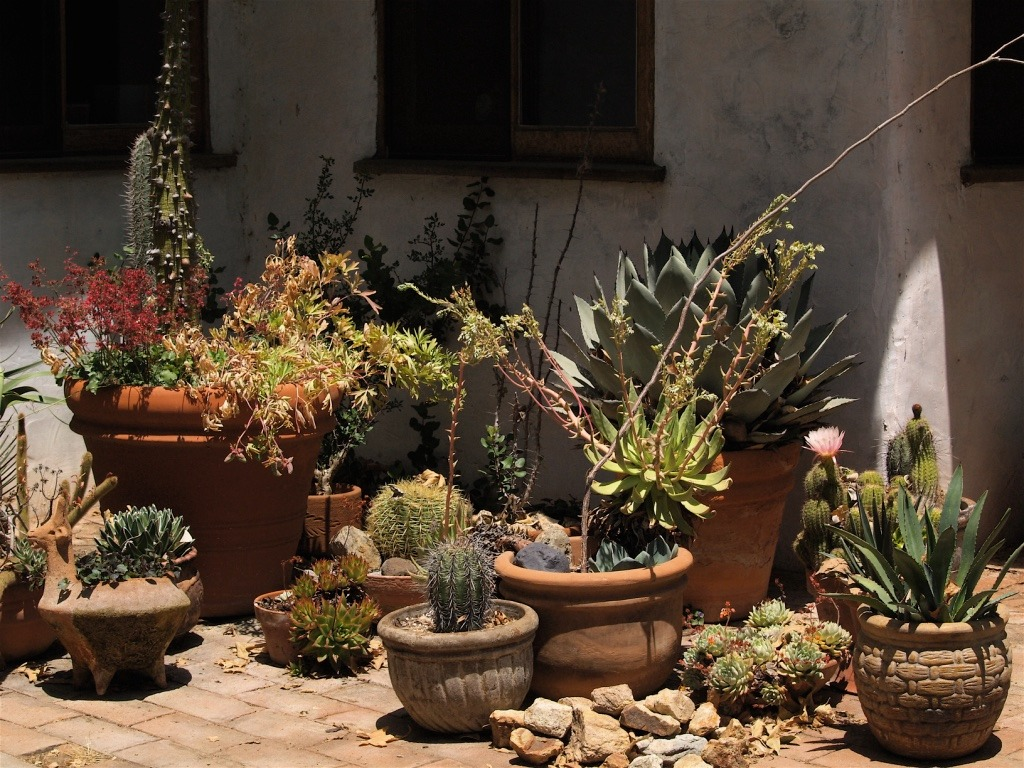
You can have all kinds of fun with raised planters, pots, hanging baskets and other containers all summer long. Make your miniature ecosystems come alive with warm season flowering plants, including desert plants, cactus, special rocks and unique arrangements that thrive in the heat.
Phytophilia
Our love for plants and their reciprocal response. The conversation.
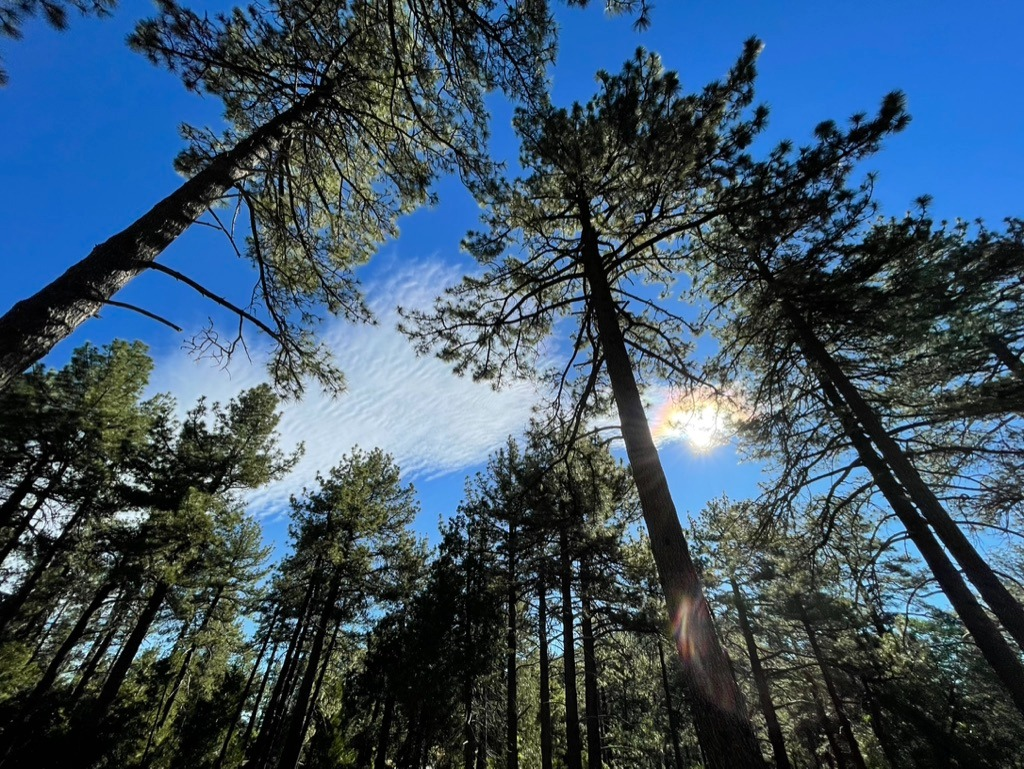
This month the dialog revolves around “Daylight.” Solstice in a few days. Maximum hours of sunlight. Temperate and tropical plants use this time to grow, and typically use copious amounts of water to do so. Our natives, and especially our desert plants have adapted effective strategies to conserve water, and to cool themselves using moisture they bring up from their rootzones in deep cool soils. This is marvelous, and is best appreciated at the end of a hot day when you give them a Refreshing Sprinkle.
Re-wild Principles
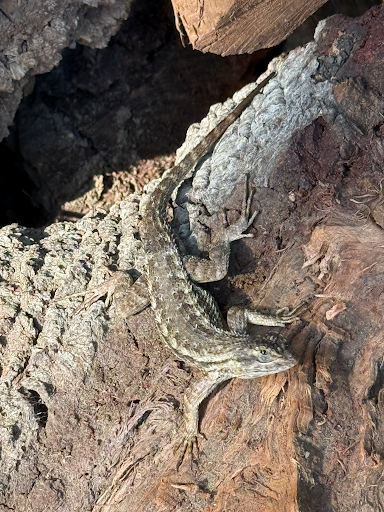
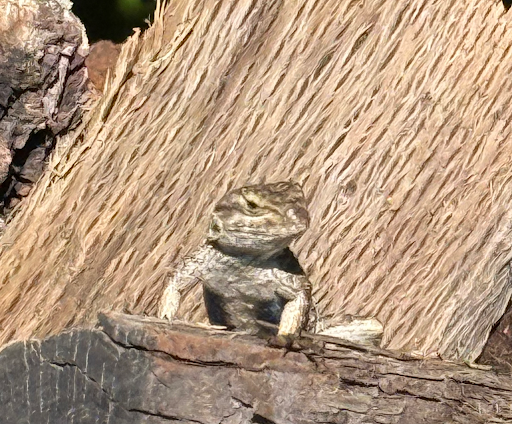
Wouldn’t this be a good month to give your lizards a little upgrade to their habitat? Surely your garden can accommodate some more rocks, and surely you can fit them in your car traveling from a landscape supply yard or a roadcut near you. When you’re out in the backcountry, a few special roadside rocks might find their way back into town, hitching a ride with you. But please remember, no collecting of any kind is allowed in our National or State Parks. The lizards will thank you.
Important Review
Hort calendar – Summer month 1 of 3
Let’s do good native hort
Start DS + RS = Success starts now
A few chores before summer rest
Long lesson on hemitera and ants
Coast and shade OK to plant now, but not seeds
Have fun with pots
Lizard rocks or is it lizard’s rock?
Engage
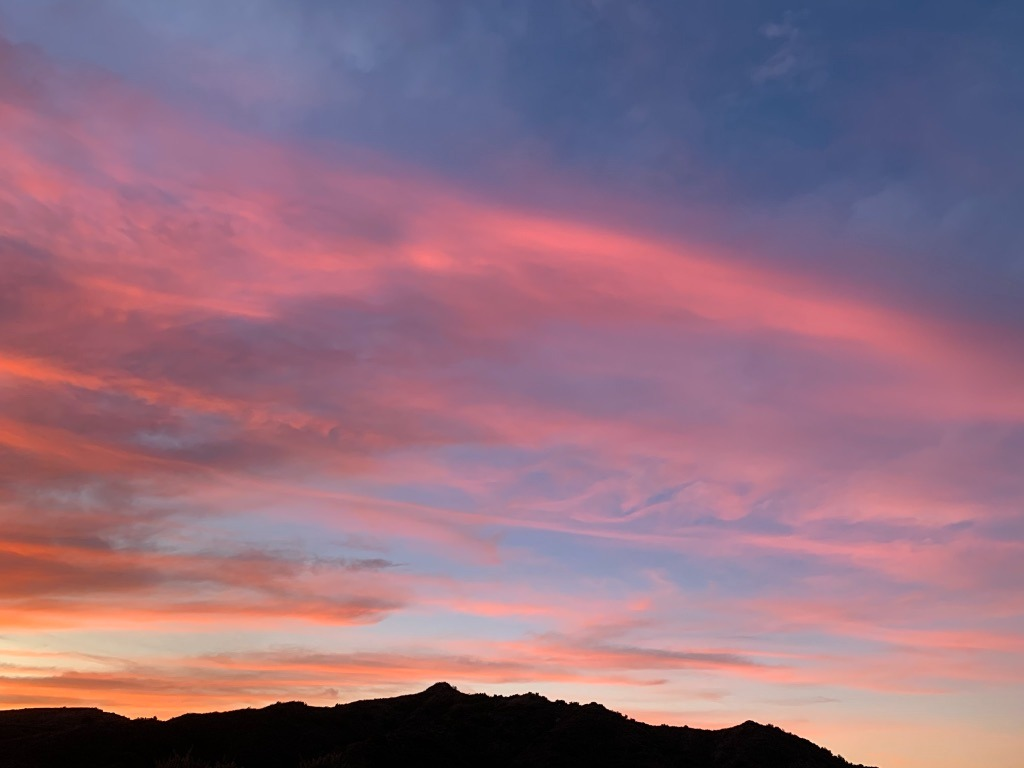
A long evening outdoors is a marvelous progenitor to a peaceful night’s sleep. There are times to get up and go and there are other times to let go and stop. A summer’s eve, with a sky blending blue and pink (only God can get these contrasting colors to work in harmony), provides a time to stop, look and listen. Sometimes I think that my absolute favorite color is blue/pink-pink/blue, and the best time to see it is during a long twilight in summer. Of course you might also find azure, salmon, coral, and indigo. Cerulean, rose, blush, and blue. And a lot more if you have a thesaurus handy. But I think the point is that the colors are basically indescribable, unnamable, and it’s not about words. It’s about being there. And when the colors are gone, we get gray, then dark. I don’t want to miss a single twilight. There are only so many evenings and mornings allotted to us, and we can’t know how many are still out there, so I’ll take each one… thankfully, one day at a time. It’s a formula for sound sleep… a big dose of blue/pink before bedtime.
I think we’re gonna be alright.
From June CalNativeHort CONNECT,
Mike Evans
Questions? Help is just one call or one email away. connect@calnativehort.org